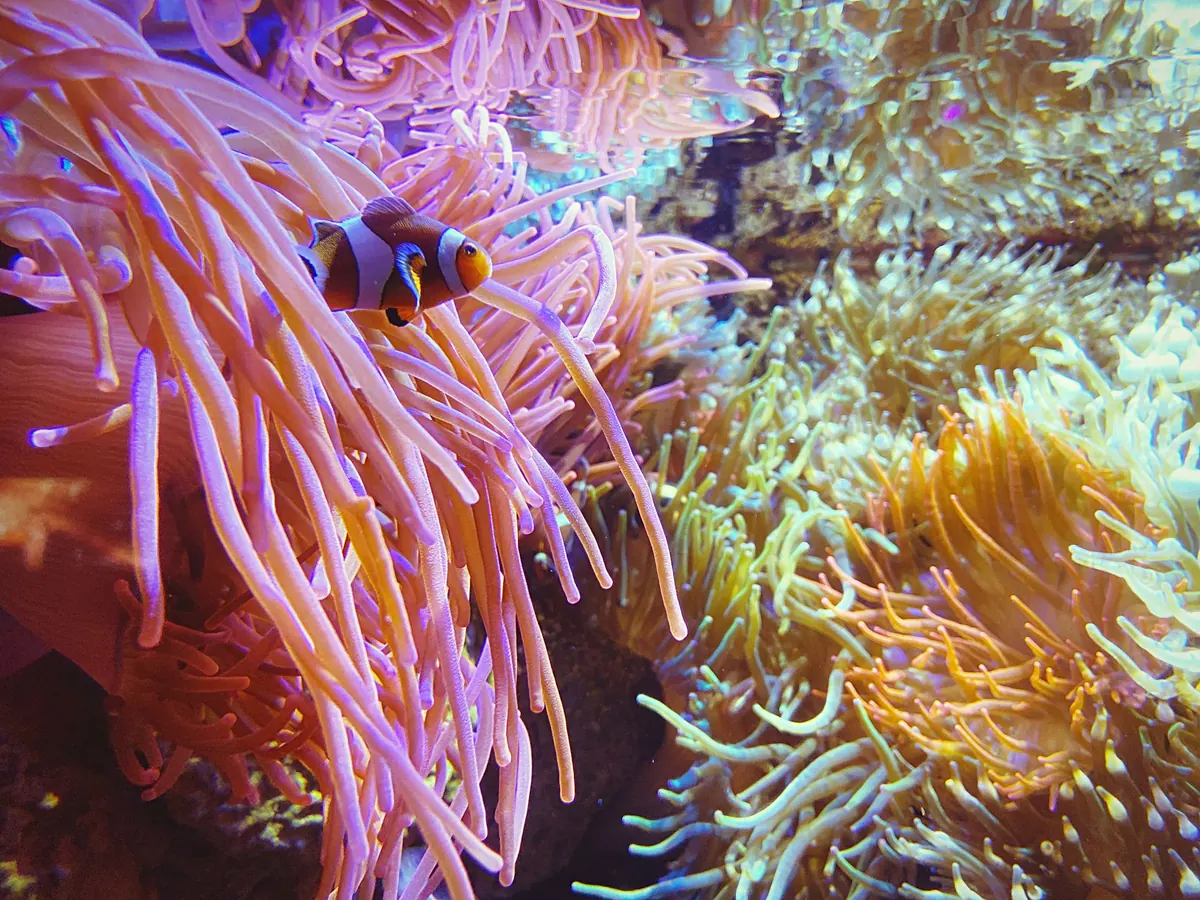
Few sights in a marine aquarium are as satisfying as a clownfish settled into an anemone. The fish hovers, the tentacles sway, and the pair looks as though it has been doing this forever. In the wild, that partnership is the result of a long evolutionary relationship. In a glass box, it depends on you getting several details right. Clownfish are forgiving; most host anemones are not. Understanding what each animal needs, and what they need from each other, is the difference between a healthy pair and an expensive mistake.
How the partnership works
Sea anemones are cnidarians. Their tentacles carry stinging cells called nematocysts, which fire when something brushes against them. For most fish, that means pain, paralysis or a quick death. Clownfish are different. Their skin carries a specialised mucus layer that stops the stinging cells from firing, or at least reduces the response enough for the fish to swim safely among the tentacles.
The exact mechanism is still studied. Some think the clownfish copies the anemone’s chemical signature, effectively becoming invisible to it. Others suggest the protection is partly innate and partly learned. What matters in the aquarium is simpler: a clownfish that has never met an anemone may ignore it completely. Captive-bred fish in particular have often never seen a host anemone. Instinct sometimes kicks in within hours. Sometimes it never does, and the fish chooses a corner, a powerhead or a leather coral instead. That is normal, if disappointing.
What each side gets out of it
The relationship is usually described as mutualism, meaning both animals benefit. The clownfish gains a defended home. It sleeps among the tentacles, shelters from predators, and often lays eggs on the rock close to the anemone’s base. In return, the anemone receives food scraps, nitrogen-rich waste that acts as a mild fertiliser, and increased water movement as the clownfish fans its fins. The fish may also chase away butterflyfish and other animals that would nip at the tentacles.
It is not a strict dependency in captivity. Many clownfish live long, healthy lives without an anemone. Many anemones survive without a clownfish. The partnership is fascinating, but it is not a survival requirement for either animal in a well-run tank.
Choosing the right pair
Not every clownfish hosts every anemone. In the wild, each clownfish species tends to associate with particular anemones. In the aquarium, the bubble-tip anemone, Entacmaea quadricolor, is the most practical choice for beginners. It is relatively hardy, widely captive-propagated, and accepted by many common clownfish, including ocellaris, percula, tomato and maroon varieties.
Other host anemones are best left to experienced keepers. The magnificent sea anemone, Heteractis magnifica, is beautiful but demanding, grows large and needs strong light and flow. Carpet anemones can reach a considerable size and may eat small fish. If you are new to marine tanks, start with a captive-bred bubble-tip and a single pair of captive-bred clownfish. Avoid mixing clownfish species in a small tank; they can fight badly once mature.
Tank considerations for beginners
An anemone is not a good first purchase for a brand-new marine tank. It needs stable water conditions, and a new tank is anything but stable. Aim to wait at least four to six months, preferably longer, before adding one. During that time, learn how your tank behaves: how quickly salinity changes, how much top-off water it needs, and how your nitrate and phosphate levels move.
Size, rockwork and safety
A bubble-tip can grow to around 30 centimetres across and will move around the tank until it finds a spot it likes. A tank of 100 litres or more is a sensible starting point, though larger volumes are more forgiving. Provide plenty of live rock with crevices and a sand bed. Most importantly, guard every powerhead and overflow intake with foam or mesh. Anemones often walk into pumps, and the result can release toxins that harm or kill tank inhabitants.
Lighting, flow and water quality
Anemones host symbiotic algae called zooxanthellae and need appropriate reef lighting. Bubble-tips generally do well under moderate to high lighting. Flow should be moderate and indirect; too much direct current may make the anemone retract or move. Keep temperature, salinity and alkalinity stable. Use reverse osmosis water for top-offs and mixes, and test with a refractometer rather than trusting a hydrometer. Good skimming, regular water changes and low nitrate and phosphate levels all help.
Feeding
Feed small pieces of mysis, krill or prawn once or twice a week. Do not overfeed. A clownfish may steal food from the anemone’s tentacles, which is normal. If the anemone regularly spits food back out, reduce the portion size.
Common mistakes to avoid
- Adding an anemone to a tank younger than four to six months.
- Expecting a clownfish to host immediately, or at all.
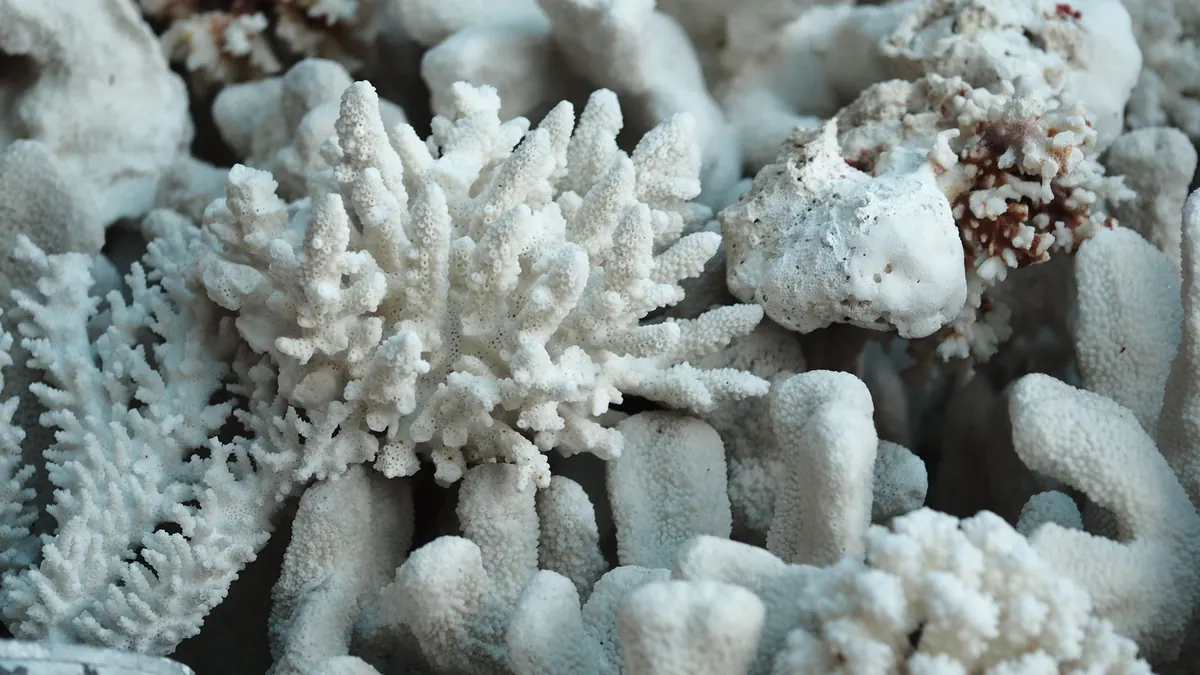
- Buying a pale, bleached anemone that has lost its zooxanthellae.
- Leaving powerheads unguarded.
- Using copper-based medication in a display tank; it is lethal to anemones and other invertebrates.
- Acclimating an anemone too quickly. Drip acclimation over an hour is safer than tipping it straight in.
- Placing an anemone among delicate corals. It will sting what it touches as it moves.
A practical buying checklist
Before you buy, run through this list. Is your tank mature and stable? Can you provide suitable light, moderate indirect flow and guarded pumps? Do you have a quarantine plan for fish, and a safe place to observe a new anemone? Choose captive-bred clownfish and, for a first anemone, a captive-propagated bubble-tip. At the shop, check that the anemone’s foot is intact, its mouth is closed, its tentacles are inflated and its colour is not chalk white. If it will not attach to rock or glass, leave it.
Once home, acclimatise slowly, place the anemone on rock near moderate flow and then leave it alone. It may move for days. Adjust light or flow only if it stays shrunken or keeps drifting into danger. If the clownfish ignores it, do not panic. Give them time, keep water quality high, and enjoy the anemone as a centrepiece in its own right. If you are unsure at any stage, ask a reputable marine shop or an experienced local reef club for advice before adding more livestock.
Photo: Kal Rivero / Pexels