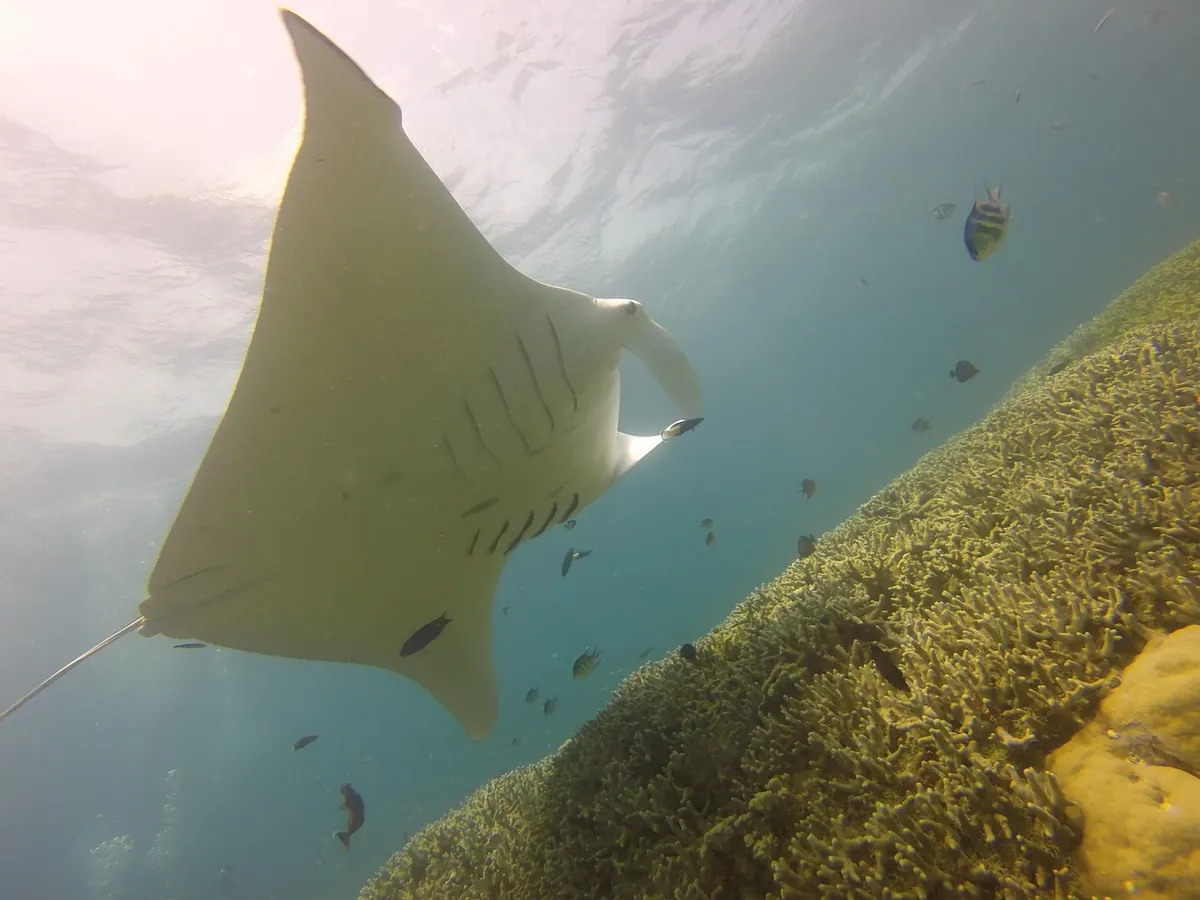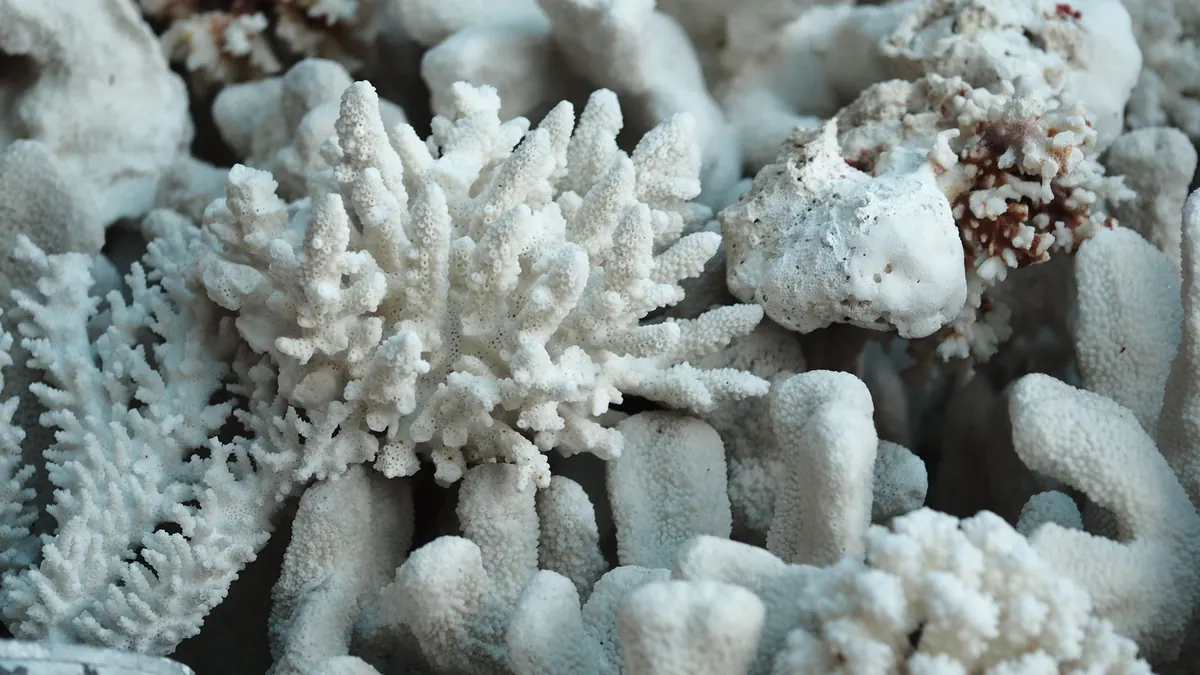
Two weeks on a boat in the tropics, gluing coral fragments to a nursery frame, sounds like the most useful holiday you could book. Sometimes it is. Sometimes it is a boat trip with a clipboard. The difference rarely shows up in the brochure, and it almost never shows up in the photographs, because everyone photographs the planting day. Here is how to tell the two apart before you hand over a deposit.
Know what the project is actually restoring
Restoration is not the same thing as conservation. Some projects run coral nurseries to grow stock for outplanting. Some use micro-fragmentation to speed up growth on slow species, some collect coral spawn and raise larvae, and some are really about stabilising rubble so that natural recruits have something to settle on. All of those are legitimate, but they ask different things of a volunteer.
Ask what species they work with, which method they use, and which specific problem they are trying to solve. Bleaching, sediment runoff, storm damage and anchor scars all require different responses. A good project can tell you what the reef looked like before, what pressures it faces now, and what a realistic outcome looks like in five years. If that answer is vague on the website and vaguer on the phone, the work probably is too.
Training, supervision and who does the skilled work
You should expect to be briefed, trained and watched. In a well-run project, volunteers handle nursery cleaning, fragment mounting, growth measurement, fish counts and data entry. The decisions — which colonies are cut, where fragments are placed, which sites are viable — sit with the site manager or lead scientist.
Ask whether that person is on site or visits once a season, and how many staff supervise how many volunteers. Ask what your first day looks like if you have never dived in a working environment. A recognised dive certification and a current medical are the usual baseline for in-water work, and there are genuine snorkel-only roles in shallow nurseries for people who do not dive.
If volunteers are making judgement calls that normally require a permit or specialist training, treat that as a warning rather than an opportunity.
Permits, permissions and legal footing
Coral work sits inside a legal framework, and it varies enormously between countries. Depending on where you are, you may be dealing with marine protected area rules, research permits, collection licences, or agreements with local communities who hold customary rights over the reef.
- Who holds the permits, and does your participation fall under them?
- Is the project working with a fisheries department, university or reef management authority?
- Does the organisation carry insurance that covers volunteers, and does your own dive insurance cover the depths and tasks involved?
That last point matters more than people expect. Standard travel policies often exclude the kind of repetitive diving that restoration work involves. Read the policy properly, and if the answer is not clear, ask a qualified insurance or legal professional rather than guessing.
Where the coral comes from
This is the question that separates serious projects from souvenir operations. Fragments should come from nursery stock, from colonies that survived a stress event, or from pieces that would otherwise be lost — coral dislodged by storms or snapped by anchors, sometimes called fragments of opportunity. They should not come from healthy colonies stripped off an intact reef to give volunteers something to handle.
Then ask about survival. How long do fragments stay in the nursery before outplanting? What proportion are still alive a year later? What happens if a bleaching event hits the outplanted coral, and is there a plan beyond hoping?
A project that cannot explain what happens after you fly home is probably not measuring very much.
Monitoring, follow-up and honesty about outcomes
Planting is the easy part. The meaningful data arrives months and years afterwards, when someone returns to the same coordinates and counts what is still there. Ask who does that monitoring, how often, and whether results are published — including the disappointing ones.
Be wary of any project that only ever shares images from the day the coral went in. Restoration has a high failure rate in some conditions, and a team willing to say so is generally a team doing careful work. If they can show you a monitoring spreadsheet or a survey report, that is a good sign.
Money, and what your fee pays for
Paying to volunteer is not automatically a problem. Boats, fuel, permits, dive gear, staff time and insurance all cost money, and that money has to come from somewhere. What matters is where it goes.
Ask whether local staff are paid, and whether the project employs local divers and guides. Restoration that sidelines the community depending on the reef tends not to survive the departure of its funding. Also get the full cost in writing: accommodation, food, transfers, equipment hire, and any certification fees. Then check whether you are comfortable with the total. If the finances are a significant commitment for you, it is worth taking proper financial advice before you commit.
Your own fitness, safety and expectations
Restoration diving is repetitive, hot and often dull in the best sense: the same frame, the same brush, the same measurements, day after day. Be honest about your fitness, your dive experience and your tolerance for small boats. Get a dive medical from a qualified doctor, declare any medication, and ask what medical facilities are nearby and how an evacuation would work.
Six questions to ask before you sign up
- What species and method do you work with, and what problem are you addressing?
- Who supervises volunteers, and how many of us per staff member?
- Which permits do you hold, and what is my role under them?
- Where does the coral come from, and what is the one-year survival rate?
- Who monitors the site after volunteers leave, and can I see past results?
- How much of my fee goes to local wages, and what is not included?
Ask these before you book, in writing if you can. A project that answers them clearly, including the parts it is still working on, is worth your time and your money. A project that dodges them is telling you something useful. And wherever you end up, spend locally, follow the dive brief exactly, keep your hands off anything you were not asked to touch, and leave the reef as you found it.
Photo: Mybbor / Pixabay